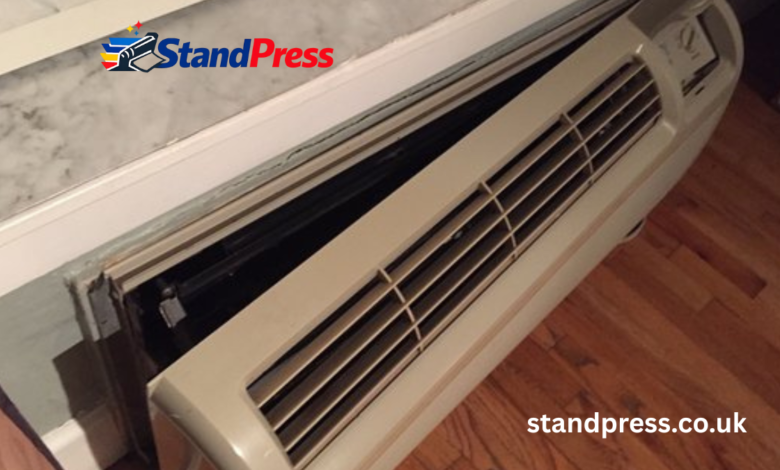
A “breaking AC” is a common term used to describe an air conditioning system that is no longer working efficiently or has completely stopped functioning. In many homes, especially in hot climates, an AC is not just a comfort appliance but a daily necessity. When it starts breaking down, it can quickly disrupt sleep, productivity, and overall well-being. Understanding the early signs of AC failure helps users take action before the problem becomes severe.
Modern air conditioners are complex systems made up of electrical, mechanical, and chemical components working together. Even a small issue in one part can affect the entire system. Many people ignore early warning signs like reduced cooling or strange noises, which often leads to complete breakdowns. This is why “breaking AC” problems are among the most searched and discussed maintenance issues today.
Understanding “Breaking AC” Problems

When people say their AC is “Breaking AC,” they usually mean it is not performing as expected. This can range from slightly reduced cooling efficiency to a complete shutdown. In some cases, the AC may still run, but it fails to maintain the desired temperature, making it seem like it is broken even when it is partially functioning.
There are several warning signs that indicate your AC is starting to break down. Weak airflow, uneven cooling, and warm air blowing instead of cold air are some of the most common symptoms. Other noticeable signs include unusual sounds like grinding or buzzing, water leakage around the indoor unit, and frequent on-off cycling. These issues often signal underlying mechanical or electrical problems.
Ignoring these early symptoms can lead to more expensive repairs later. A minor issue like a clogged filter or low refrigerant can quickly turn into compressor failure if not addressed in time. Understanding these early signals allows homeowners to act quickly and avoid complete system failure.
Major Causes Behind AC Breakdown
One of the most common reasons behind a breaking AC is electrical failure. Air conditioners rely heavily on stable voltage to operate. Power fluctuations or faulty wiring can damage internal components like capacitors and circuit boards. In areas with unstable electricity, this is one of the leading causes of AC breakdowns.
Another major issue is refrigerant problems. The refrigerant gas is responsible for cooling the air, and if it leaks or becomes low, the AC loses its cooling power. This often results in warm air coming from vents and longer cooling cycles. Refrigerant leaks usually require professional repair since they involve sealing and refilling gas safely.
Mechanical failures also play a major role in AC breakdowns. The compressor, which is often called the heart of the AC, can wear out over time due to heavy usage or lack of maintenance. Similarly, fan motors may stop working, reducing airflow and causing the system to overheat. Dirty filters and blocked coils further increase pressure on the system, making it work harder than necessary and eventually leading to breakdown.
Step-by-Step Troubleshooting for a Breaking AC
Before calling a technician, there are several basic checks you can perform to understand the issue. Start by checking the power supply. Sometimes the problem is as simple as a tripped circuit breaker or loose plug connection. Ensuring that the AC is receiving proper electricity can immediately resolve the issue in some cases.
Next, inspect the thermostat settings. Incorrect temperature settings or mode selection can make it seem like the AC is broken when it is actually functioning normally. Switching between cooling modes and adjusting temperature can help identify whether the issue is internal or just a setting error.
Another important step is cleaning or inspecting the air filters. Dirty filters block airflow and reduce cooling efficiency significantly. Cleaning them regularly improves performance and may even resolve minor cooling issues. If the outdoor unit is blocked by dust, leaves, or debris, it should also be cleaned carefully.
If the AC still does not work properly after these steps, it is likely a deeper mechanical or refrigerant issue. At this stage, it is best to stop DIY attempts and consult a professional technician to avoid further damage.
Repair Solutions and Cost Factors
Repairing a breaking AC depends on the type of issue. One of the most common fixes is refrigerant gas refilling. If the AC has a leak or low gas level, refilling restores cooling performance. However, it is important to fix the leak first; otherwise, the problem will return.
Another common repair involves replacing capacitors or electrical components. Capacitors help start the compressor and fan motors, and when they fail, the AC may not start at all. These parts are relatively affordable but require professional installation for safety.
Compressor repair or replacement is one of the most expensive fixes. Since the compressor is the core of the AC system, its failure often raises the question of whether to repair or replace the entire unit. In older AC units, replacement is usually more cost-effective in the long run.
Repair costs vary depending on brand, model, and severity of damage. High-end ACs typically have more expensive spare parts. In many cases, regular maintenance helps avoid these costly repairs and extends the life of the system significantly.
Preventing AC Breakdowns in the Future
Preventive maintenance is the key to avoiding a breaking AC situation. Regular servicing ensures that dust, dirt, and debris do not accumulate inside the system. Cleaning filters and coils improves airflow and helps the AC operate efficiently without extra strain.
Scheduling maintenance before the summer season is highly recommended. This ensures the AC is in good condition before it is used heavily. Technicians can detect early signs of wear and tear, preventing major breakdowns during peak usage times.
Using a voltage stabilizer is another effective way to protect the AC from electrical damage. It helps regulate power supply and prevents sudden voltage spikes that can harm internal components. Additionally, avoiding extreme temperature settings and giving the system short breaks during continuous use can significantly improve its lifespan.
Emergency Tips When Your AC Breaks Suddenly
When an AC breaks unexpectedly, the first step is to stay calm and check basic settings and power supply. If the issue is minor, such as a tripped breaker, it may be fixed quickly. However, if the system shows signs of electrical burning or unusual smells, it should be turned off immediately for safety.
In the meantime, keeping doors and windows open can improve ventilation and reduce indoor heat buildup. Using fans or portable cooling devices can also provide temporary relief. Avoid running a broken AC repeatedly, as this can worsen the damage.
If the issue cannot be identified quickly, contacting a professional technician is the safest option. Emergency repairs may cost more, but they prevent long-term damage and restore comfort faster.
Conclusion
A breaking AC is not just an inconvenience but a warning sign that your cooling system needs attention. Most breakdowns start with small issues like dirty filters, low refrigerant, or minor electrical faults. If these problems are addressed early, expensive repairs and complete system failure can often be avoided. Understanding how your AC works and recognizing early symptoms is essential for maintaining long-term performance.
Regular maintenance, proper usage habits, and timely professional servicing are the best ways to extend the life of your air conditioner. Instead of waiting for a complete breakdown, proactive care ensures consistent cooling and energy efficiency. In the long run, this not only saves money but also provides uninterrupted comfort during extreme weather conditions.
You may also read:

